Here’s the thing: diving into the world of small business insurance can feel like navigating a maze. But fear not! We’ve crafted a roadmap to help you understand the essentials of protecting your business. Whether you’re just starting or looking to optimize your coverage, this guide is your go-to resource.
In this post, we’ll unravel the complexities, giving you a clear picture of the types of insurance your business might need. Think of it as your insurance crash course—simplified, comprehensive, and actionable. Let’s jump in and demystify the world of small business insurance!
Understanding Small Business Insurance
Did you know that 40% of small businesses never reopen after a disaster? That’s where small business insurance comes in. It’s not just a safety net; it’s a lifeline.
Small business insurance is designed to protect your company from financial losses. Think of it like a suit of armor, shielding you from unexpected hits that could otherwise sink your business. But what does it actually cover?
Types of Insurance Required for Small Businesses
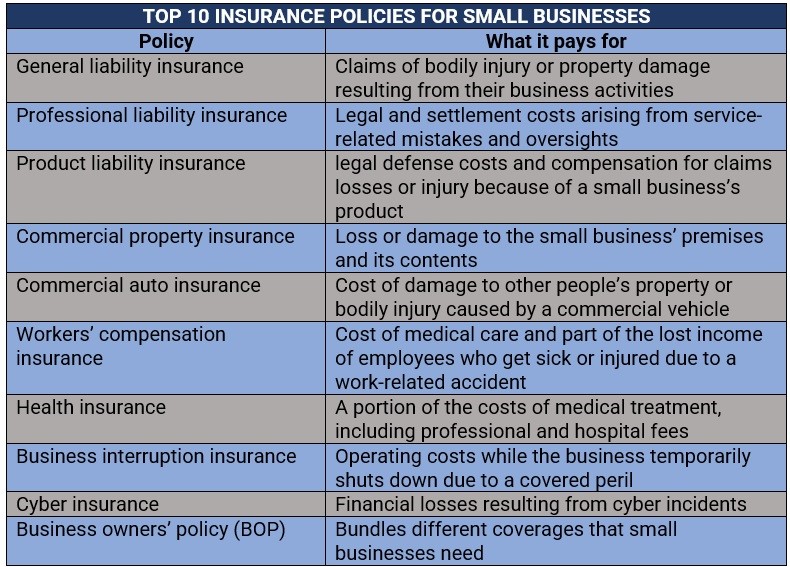
To keep your business safe, you need to know the different types of insurance at your disposal. Here’s the deal: most small businesses need General Liability Insurance. This covers you if someone sues your business for injury or damage. Then there’s Property Insurance, which protects your physical assets like your building and equipment from fire, theft, and other disasters.
Think you don’t need more? Think again. Many states require Workers’ Compensation if you have employees. This covers medical expenses and lost wages if someone gets hurt on the job. And don’t forget Professional Liability Insurance if you’re in a service industry. It protects you from lawsuits over mistakes or unsatisfactory work.
Pro Tip: Bundle your policies for a discount and streamlined management.
Coverage Provided by Small Business Insurance
So, what does small business insurance really cover? It’s not just about random disasters. We’re talking everything from lawsuits to equipment breakdowns. Imagine a client slipping in your store or your office catching fire. Your insurance steps in to cover these risks.
Here’s another angle: many policies also include Business Interruption Insurance. If a covered disaster forces you to close temporarily, this coverage helps you pay your bills and even staff salaries. It’s like a financial backup generator.
The Importance of Having Insurance for Small Businesses
Why bother with insurance if you’re just starting out? Simple. Without it, you risk losing everything. No one plans for disasters, but they happen when you least expect them. Insurance is your best defense.
Think of the peace of mind you’ll gain. Instead of worrying about “what if,” you can focus on growing your business. And here’s the kicker: insurance can even boost your credibility. Clients and partners see you as a stable, professional operation.
Common Types of Small Business Insurance
Did you know that 40% of small businesses will experience a property or liability loss in the next 10 years? That’s why understanding the different types of insurance is crucial for protecting your business.
There are several types of small business insurance that cater to different risks and needs. Each serves a unique purpose, ensuring that no matter what happens, your business stays afloat. Let’s dive into the major ones you’ll want to consider.
General Liability Insurance
General Liability Insurance covers your business against claims of bodily injuries, property damage, and advertising injuries. It’s often the first type of insurance a small business should consider. If a customer slips and falls in your store, this insurance has your back. Typical costs range from $400 to $600 annually, depending on your business size and location. Any business that interacts with customers should have this policy.
Professional Liability Insurance
Professional Liability Insurance, also known as Errors and Omissions (E&O) insurance, protects you from claims of negligence or mistakes in your professional services. If you’re a consultant, freelancer, or any service provider, this is crucial. It typically costs between $500 and $1,000 per year, but offers peace of mind knowing you’re covered if a client isn’t satisfied with your work.
Comparing General and Professional Liability Insurance
While both types of insurance protect against legal claims, they cover different risks. General Liability is about physical risks in your business environment. In contrast, Professional Liability is about service-based mistakes or advice that causes harm. Think of it as the difference between someone slipping on a wet floor versus claiming your advice led to a financial loss.
| Type of Insurance | Coverage Details | Typical Cost | Who Needs It |
|---|---|---|---|
| General Liability Insurance | Covers bodily injury, property damage, and advertising injuries. | $400 – $600 annually | Any business with physical premises or customer interaction |
| Professional Liability Insurance | Covers negligence or mistakes in professional services. | $500 – $1,000 annually | Consultants, freelancers, and service providers |
Pro Tip: Analyze your business operations carefully to determine which insurance types are essential. It’s not about having more, but having the right coverage.
Additional Types of Insurance to Consider
Beyond the basics, other insurances like Property Insurance, Workers’ Compensation, and Cyber Liability should be on your radar. Property Insurance safeguards your assets from theft or damage. Workers’ Compensation is a must if you have employees. And in today’s digital age, Cyber Liability protects against data breaches and cyberattacks. Don’t skimp on these, as they can be lifesavers when the unexpected happens.
Factors to Consider When Choosing Insurance
Choosing the right insurance for your small business can feel like navigating a labyrinth. But here’s a shocking stat: 40% of small businesses have never insured their operations. That’s risky! So, what should you look for when picking a policy?
Let’s decode the key factors that can make or break your insurance decision. From business size to industry specifics, each element plays a crucial role. The goal is simple: grab the insurance that fits like a glove.
Key Influencers on Your Insurance Choice
When it comes to picking small business insurance, several factors come into play. First, your business size matters. A mom-and-pop shop won’t need the same coverage as a bustling corporation. More employees usually mean more liability. Next, consider your industry. Are you in construction or consulting? Each field carries its unique risks. For instance, a restaurant will focus on property damage and liability, while a tech startup might prioritize data breach coverage.
Here’s the deal: understanding these factors will help tailor your policy to cover the most relevant risks. Remember, the aim is to minimize financial exposure without overspending on unnecessary coverage.
Checklist for Choosing the Right Insurance Policy
Before you sign on the dotted line, make sure you’re asking the right questions. Here’s a checklist to guide you:
- Assess the specific risks associated with your industry.
- Evaluate the size and scale of your business operations.
- Determine the value of your business assets.
- Consider your budget and how much premium you can afford.
- Check if the policy includes coverage for legal liabilities.
- Identify if additional riders or endorsements are necessary.
- Review the insurance provider’s reputation and financial stability.
Pro Tip: The wrong insurance can be as bad as no insurance. Always tailor your policy to your business’s unique needs.
Cost of Small Business Insurance
Ever wondered why your small business insurance bill looks different every month? Costs can vary dramatically based on a handful of key factors.
Here’s the deal: Knowing what drives the cost of your insurance can save you a lot of cash. Let’s break it down.
Factors Determining the Cost of Small Business Insurance
Several factors play a role in determining how much you’ll shell out for insurance. First, your industry matters. If you’re in a high-risk sector like construction, expect to pay more compared to a low-risk business like consulting. Next, the size of your business can significantly influence rates. More employees and higher revenues usually mean higher premiums. Finally, your coverage limits and deductibles will adjust your costs. Higher limits and lower deductibles mean higher premiums.
Pro Tip: Bundle different types of insurance together to potentially lower your overall premiums.
Average Insurance Costs by Industry
Curious about what others in your industry are paying? Here’s a snapshot to give you an idea:
| Industry | Average Monthly Cost |
|---|---|
| Construction | $100 – $200 |
| Retail | $50 – $150 |
| Consulting | $30 – $100 |
| Restaurants | $75 – $250 |
Price Ranges for Different Insurance Types
Let’s look at typical price ranges for various insurance types to help you plan your budget:
| Insurance Type | Typical Price Range (Monthly) |
|---|---|
| General Liability | $30 – $50 |
| Professional Liability | $40 – $60 |
| Commercial Property | $50 – $100 |
| Workers’ Compensation | $70 – $200 |
Benefits of Small Business Insurance
Ever thought about the true cost of not having insurance for your small business? It’s not just financial—it could mean the end of your business.
Small business insurance isn’t just about covering potential losses. It’s about ensuring peace of mind and stability, allowing you to focus on growth rather than potential disasters. Let’s break down how insurance can save your business from unforeseen setbacks.
Protection Against Unexpected Events
Picture this: a natural disaster strikes, and your storefront is damaged. Without insurance, you’re left footing the bill. With coverage, you’re protected. This isn’t just theory—every year, 20% of small businesses face unexpected events that could shut them down.
But here is the deal: insurance doesn’t just cover physical damages. It also protects against lawsuits, employee injuries, and even cyber threats. Having the right coverage means you’re ready for anything.
Boosting Credibility and Trust
Did you know that having insurance can make your business more attractive to clients? It shows you’re serious and trustworthy. Clients are more likely to sign contracts with businesses that can guarantee a level of security and professionalism.
Plus, some industries require specific insurance policies just to operate legally. Not having coverage could mean losing clients or even facing legal action. Insurance isn’t just a safety net—it’s a badge of credibility.
Pro Tip: Always review your insurance policies annually. Your business needs change, and so should your coverage.
Financial Security and Stability
Think insurance premiums are just an extra cost? Think again. They’re an investment in the longevity of your business. By paying a small premium now, you avoid potentially devastating financial losses in the future.
In fact, without insurance, the average cost of a small business lawsuit is $54,000. Can your business afford that? If not, it’s time to get covered.
Tips for Finding the Right Insurance Provider

Did you know that nearly 40% of small businesses don’t have the right insurance coverage? That’s a risky game to play. You need to find an insurance provider that can keep your business shielded from unexpected disasters.
Here is the deal: finding the right insurance provider isn’t just about cost. It’s about value, reliability, and customer service. So, how do you choose the right one?
Researching Reliable Insurance Providers
First things first: do your homework. Look for providers with a solid reputation in the industry. A quick Google search can reveal a lot, but don’t stop there. Dive deeper into customer testimonials and provider ratings.
Pro Tip:
Read the reviews with a grain of salt. A single negative review might not mean much, but a pattern of complaints is a big red flag.
Also, check whether the insurance provider is licensed in your state. This ensures they are compliant with state regulations and can legally operate in your area.
Comparing Insurance Quotes
Once you’ve shortlisted potential providers, it’s time to compare quotes. But this isn’t just about who offers the lowest price. You need to look at what each policy covers and if there are any hidden fees or exclusions.
Here’s a quick way to organize your comparisons:
| Provider | Premium | Coverage | Exclusions |
|---|---|---|---|
| Provider A | $1,200/year | General Liability, Property | Flood Damage |
| Provider B | $1,500/year | General Liability, Property, Workers’ Compensation | Earthquake Damage |
Use this table to easily spot which provider offers the best value for the coverage you need.
Reviewing Customer Testimonials and Provider Ratings
Never underestimate the power of customer feedback. It’s like getting a sneak peek into what your experience could be like. Look for recurring themes in reviews: Is customer service responsive? Do they handle claims efficiently?
Additionally, check ratings from independent rating agencies. These agencies evaluate financial stability, which is crucial. You want a provider that can actually pay out when you need them the most.
In the end, it’s about aligning your business needs with an insurance provider that you can trust, who offers the right coverage at a fair price. Happy hunting!
Final Thoughts

Wrapping it all up, having the right small business insurance is not just a smart move—it’s a business necessity. With the proper coverage, you safeguard not only your assets but also your peace of mind. So, take a proactive step, assess your needs, and invest in insurance that aligns perfectly with your business goals. Trust us; it’s worth it!
FAQ Section
What are the main types of small business insurance?
The main types include general liability insurance, professional liability insurance, and property insurance.
Why is small business insurance important?
It provides financial protection against unexpected events, helping to secure your business’s future.
How does industry affect my insurance needs?
Different industries have unique risks, demanding tailored insurance policies to cover specific liabilities.
What factors influence the cost of small business insurance?
Factors include business size, industry, location, and coverage limits.
How can I find a reliable insurance provider?
Research, compare quotes, and review customer testimonials to find a provider with a solid reputation.
