Welcome to the ultimate guide on errors and omissions insurance in Washington State, where we demystify the essentials of this crucial safety net for professionals. Whether you’re a seasoned expert or just starting, understanding this insurance is pivotal to safeguarding your career.
In this article, we’ll break down the ins and outs of errors and omissions insurance with the precision of a surgeon and the clarity of a well-optimized landing page. From who needs it to the nitty-gritty of filing claims, we’ve got you covered, ensuring you’re always two steps ahead in the game.
Understanding Errors and Omissions Insurance
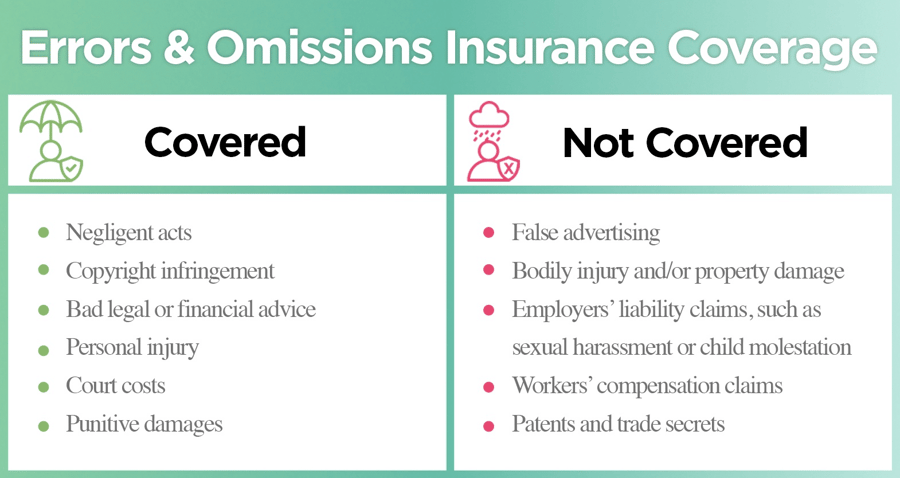
Think you’re safe from lawsuits in your professional life? Think again. Errors and omissions insurance is your safety net when things go wrong.
This type of insurance, often called E&O insurance, is designed to protect professionals from claims of negligence or inadequate work. It’s a crucial piece of your risk management strategy, ensuring that one mistake doesn’t derail your entire career.
Who Needs Errors and Omissions Insurance?
Many professionals might think they don’t need this coverage, but here is the deal: if you provide advice or services, you’re at risk. Lawyers, consultants, real estate agents, IT professionals—you name it, they need it. Anyone who can be accused of making a mistake in their work should consider E&O insurance.
Risks and Liabilities Covered
Let’s face it: mistakes happen. And when they do, the financial fallout can be severe. Errors and omissions insurance covers legal fees, settlements, and judgments when a client claims your work caused them harm. You might think your business is low-risk, BUT even small errors can lead to big lawsuits.
Examples of Claims Filed Under Errors and Omissions Insurance
Understanding the types of claims that can be filed offers a clearer picture of this insurance’s importance:
| Professional | Type of Claim | Outcome |
|---|---|---|
| Real Estate Agent | Failure to disclose property defects | $50,000 settlement |
| IT Consultant | Software mishap leading to data loss | $75,000 legal fees |
| Financial Advisor | Incorrect investment advice | $100,000 judgment |
| Marketing Agency | Copyright infringement | $30,000 settlement |
Pro Tip: Always read the fine print in your E&O policy. Some policies may not cover all types of claims, so make sure you understand what’s included.
Requirements for Errors and Omissions Insurance in Washington State
Did you know that Washington State requires specific guidelines for errors and omissions insurance? If you’re a professional providing services here, you need to pay close attention to these regulations.
Errors and omissions insurance, commonly referred to as E&O insurance, is crucial for professionals. It offers protection against claims of inadequate work or negligent actions. But here’s the deal: Washington State has its own set of requirements that you need to meet to stay compliant.
Understanding Regulatory Oversight
Washington State has stringent rules when it comes to errors and omissions insurance. The Office of the Insurance Commissioner is the main regulatory authority overseeing this type of insurance. They ensure that insurance policies meet state standards and protect consumers.
Unlike some states where requirements can be a bit lax, Washington mandates that E&O policies cover specific risk factors associated with different professions. This means that one-size-fits-all coverage is not an option.
State-by-State Comparison
How does Washington stack up against other states? Let’s take a closer look.
| State | Regulatory Authority | Unique Requirements |
|---|---|---|
| Washington | Office of the Insurance Commissioner | Industry-specific coverage mandates |
| California | California Department of Insurance | Requires minimum policy limits |
| Texas | Texas Department of Insurance | Flexibility in policy customization |
Meeting the Requirements
Getting your errors and omissions insurance policy right in Washington is not a suggestion, it’s a must. First, you’ll need to ensure your policy meets the specific coverage needs of your profession.
Make sure you’re not caught off guard by any unique policy requirements. Pro Tip:
Always consult with an insurance professional who understands Washington’s regulations to tailor your E&O policy effectively.
This proactive step can save you headaches down the line.
Benefits of Having Errors and Omissions Insurance
Think you’re protected from lawsuits? Think again. Nearly 35% of businesses face a lawsuit in any given year. That’s why having Errors and Omissions Insurance is a game-changer.
Errors and Omissions Insurance (E&O) isn’t just a safety net. It’s a crucial tool that shields your business from costly legal claims. Whether you’re in tech, finance, or consulting, this insurance ensures you’re not left holding the bag when an unexpected error occurs.
Protection Against Costly Lawsuits
One of the biggest benefits of E&O Insurance is that it safeguards your business against expensive lawsuits and claims. Imagine this: a graphic designer misses a crucial deadline, which results in a client losing a major marketing opportunity. Without E&O Insurance, that designer would face legal fees and potential damages out of pocket. With it, they’re covered, saving them thousands of dollars and untold stress.
Reputation Management
In business, your reputation is everything. A single lawsuit can tarnish what you’ve built. E&O Insurance helps manage and mitigate damage to your brand by handling claims efficiently. For instance, a real estate agent is accused of failing to disclose critical information about a property. E&O Insurance steps in, covering legal fees and settlement costs, allowing the agent to maintain their professional reputation.
Financial Stability for Your Business
Let’s face it, legal battles can drain your finances faster than you can say “courtroom.” E&O Insurance provides a financial buffer, ensuring your cash flow remains intact while a claim is processed. This means you won’t have to dip into your savings or halt operations to cover unexpected legal costs.
Pro Tip: Don’t wait for a lawsuit to learn the hard way. Get E&O Insurance before you need it. Your future self will thank you.
Real-Life Case Studies
Case studies drive the point home. A software company implemented a faulty update, leading to significant client data loss. They were facing a potential $500,000 lawsuit. Thanks to their E&O Insurance, the company resolved the issue with minimal financial impact and retained client trust.
Cost Factors and Pricing in Washington State

Ever wondered why your errors and omissions insurance costs what it does? You’re not alone. The price can vary dramatically depending on several key factors.
In Washington State, the cost of errors and omissions insurance is influenced by multiple elements like your industry, the size of your business, and your claims history. But here’s the deal: you can’t control all of these factors, but understanding them can help you budget better and maybe even save some cash.
Key Factors Influencing Insurance Costs
The number one factor? Your industry. Certain industries are riskier than others. If you’re in real estate or finance, expect higher premiums. Why? These fields face more frequent lawsuits. Another biggie is your business size. Larger firms with more employees often face steeper costs. Then there’s the claims history: have you had issues before? Insurers will hike your rates if you have.
Pricing Models for E&O Insurance
Does your head spin thinking about how these costs break down? Let’s simplify it.
| Industry | Typical Premium Range (Annual) |
|---|---|
| Real Estate | $800 – $2,500 |
| Finance | $1,000 – $3,000 |
| Technology | $1,200 – $2,800 |
Estimating Your Premiums
Ready to gauge your potential costs? Here’s how.
First, assess your industry risk level. Higher risk industries pay more, period. Next, consider your business size. A solo operation might pay less than a firm with 50 employees. Finally, look at your claims history. Clean record? You’re in luck—expect lower premiums.
Pro Tip: Regularly review your policy and risk factors. An annual check-up can save you money if your business changes.
How to Choose the Right Insurance Provider
Finding the right errors and omissions insurance provider is like searching for a needle in a haystack. With so many options, how do you pick the right one?
You want to feel secure knowing that your provider has your back when the unexpected happens. But how do you ensure you’re making the best choice for your needs?
Strategies for Selecting an Insurance Provider
When it comes to choosing the right provider, research is key. Start by comparing several providers. Look at their reputation, customer reviews, and financial stability. You don’t want a provider who might not be able to pay out when the time comes.
- Check online reviews from trusted sources.
- Ask for recommendations from industry peers.
- Look at the provider’s history in handling claims.
Pro Tip: Choose a provider with a strong financial rating. It’s a good indicator of their ability to pay claims.
Evaluating Insurance Policies and Coverage Options
It’s not just about picking any policy; it’s about finding the right coverage for your specific needs. Consider policies that offer comprehensive coverage without unnecessary extras. Evaluate the deductibles, limits, and exclusions carefully.
- Identify what coverage you need based on your industry.
- Understand the limits and exclusions of each policy.
- Compare deductibles to ensure they fit your budget.
Key Questions and Criteria for Consulting with Providers
Before you sign on the dotted line, make sure you’ve asked all the right questions. This will prevent any surprises later on. Here’s what you should consider:
- What is the claims process like? Fast and efficient claims handling is crucial.
- How customizable is the policy? You want a policy that fits your unique business needs.
- What are the renewal terms? Ensure they’re favorable and flexible if your business changes.
Pro Tip: Never underestimate the importance of a good claims service. It can make or break your experience with the provider.
Claims Process for Errors and Omissions Insurance

Did you know that over 40% of small businesses will face a claim against their Errors and Omissions (E&O) Insurance at least once? It’s crucial to understand how to navigate the claims process effectively. You don’t want to be caught off guard when you need to file a claim!
Here’s the deal: the E&O claims process might seem daunting, but breaking it down into manageable steps can simplify the journey. By following a structured approach, you can ensure your claim is processed smoothly and efficiently. Let’s dive into the steps involved in filing a claim under your E&O insurance policy.
Steps Involved in Filing a Claim
When a claim arises, it’s critical to follow specific steps to ensure a successful resolution. Each step is essential to protect your interests and keep the process on track:
- Notify Your Insurer: As soon as you’re aware of a potential claim, contact your insurance provider. Early notification can prevent complications later.
- Document Everything: Gather all relevant documents, including contracts, emails, and any communications related to the claim. This documentation is your evidence.
- Complete the Claim Form: Fill out your insurer’s official claim form accurately. Missing information can delay the process.
- Submit Supporting Documents: Along with the claim form, submit all your documentation to your insurer. The more comprehensive, the better.
- Consult with Your Insurer: Stay in touch with the claims adjuster assigned to your case. They may request additional information or clarification.
- Review the Settlement Offer: Once the insurer reviews your claim, they will provide a settlement offer. Assess it carefully to ensure it meets your needs.
Common Challenges and How to Overcome Them
Filing an E&O insurance claim isn’t always a walk in the park. Here are some common challenges you might face and how to tackle them effectively:
- Delayed Responses: Insurers can be slow to respond. Pro Tip: Maintain regular follow-up to keep your claim top of mind.
- Insufficient Documentation: Missing records can derail your claim. Make sure to document EVERYTHING from day one.
- Dispute Over Liability: Insurers may contest your claim’s validity. Hiring a legal advisor can help you navigate disputes.
- Low Settlement Offers: Sometimes, the initial offer might not cover your costs. Don’t hesitate to negotiate for a fair settlement.
Closure
In conclusion, having errors and omissions insurance in Washington State is like having a robust strategy — it’s essential for protecting your business’s integrity and longevity. By understanding the various facets and requirements, you can make informed decisions that bolster your professional journey.
Answers to Common Questions
What is errors and omissions insurance?
Errors and omissions insurance, often called E&O insurance, protects professionals against claims of inadequate work or negligent actions.
Who needs errors and omissions insurance?
Professionals such as consultants, real estate agents, and IT specialists often need this insurance to protect against potential lawsuits.
What are the requirements for E&O insurance in Washington State?
Washington State requires certain professionals to carry E&O insurance, following specific state regulations and guidelines.
What benefits does E&O insurance offer?
E&O insurance provides financial protection and peace of mind, ensuring your business can withstand claims of negligence or error.
How does one file an E&O insurance claim?
Filing a claim involves notifying your insurer, providing documentation, and working with claims adjusters to resolve the issue efficiently.
