Are you tired of paying sky-high insurance premiums in North Carolina? Well, you’re in the right place. Today, we’re going to delve into the intricate world of insurance rates in the Tar Heel State. North Carolina, with its unique blend of cityscapes and breathtaking landscapes, has its own set of challenges and opportunities when it comes to insurance rates.
In this guide, we’ll uncover the factors that influence your insurance bills, explore the types of insurance available, and arm you with strategies to snag the best deals. From understanding the regulatory environment to predicting future trends, we’ve got you covered. So, buckle up and get ready to become an insurance-savvy North Carolinian, Backlinko style!
Understanding Insurance Rates in North Carolina

Did you know that North Carolina has some of the most competitive insurance rates in the Southeast? But what really makes these rates tick?
Several factors come into play when determining insurance rates in North Carolina. Weather patterns, traffic density, and even crime rates can all influence how much you pay. Let’s break it down so you can get the best bang for your buck.
Factors Influencing Insurance Rates in NC
Your insurance rate isn’t just about your driving record. In North Carolina, factors like location, vehicle type, and coverage level are key players. If you live in a city with high traffic congestion, expect higher rates. Why? More cars, more accidents.
Pro Tip: Keep your driving record clean and your credit score high to score better rates.
Typical Insurance Rate Ranges in NC
On average, North Carolinians are shelling out around $1,325 per year for car insurance. But here’s the deal: this can vary drastically. Rural areas often enjoy lower rates compared to bustling cities like Charlotte or Raleigh.
Here’s a snapshot:
| Location | Average Annual Rate |
|---|---|
| Charlotte | $1,500 |
| Raleigh | $1,400 |
| Rural Areas | $1,000 |
NC Insurance Rates vs. Other States
How does North Carolina stack up against the rest of the United States? Interestingly, NC ranks as one of the more affordable states for car insurance. Compared to California’s average of $1,800 or New York’s $1,700, NC offers a sweet deal.
Why? Lower crime rates and less severe weather conditions keep premiums down. So if you’re moving from a pricier state, you’re in for a pleasant surprise in North Carolina.
Your location in NC could be saving you hundreds—if not thousands—on your insurance premiums.
Types of Insurance Available in NC
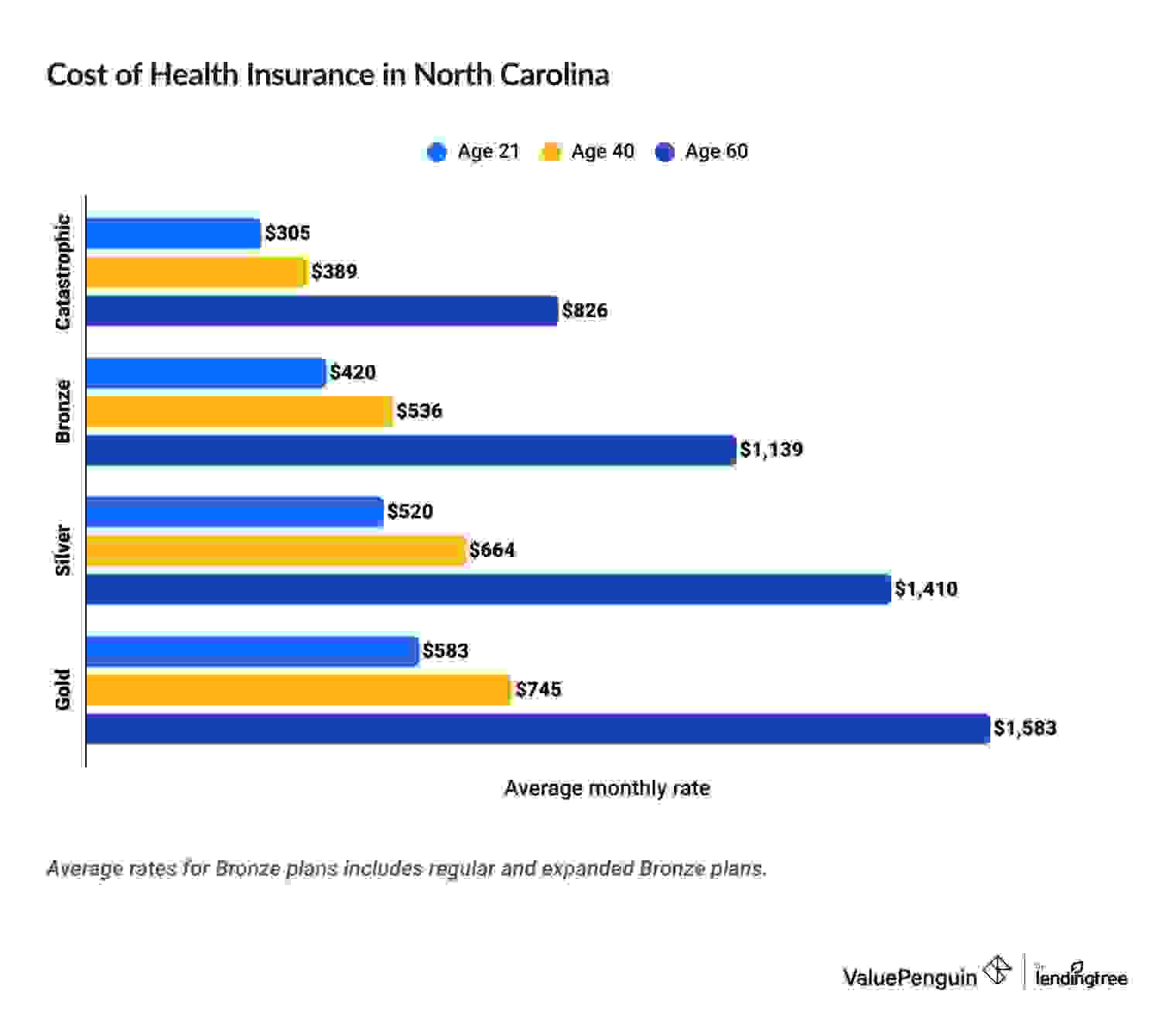
Did you know that in North Carolina, finding the right insurance can save you thousands of dollars? With various types on offer, understanding your options is crucial.
From auto and home to health insurance, each type has its own unique benefits and coverage options. By knowing what’s available, you can make informed decisions and get the best protection for your needs.
Auto Insurance
Auto insurance in NC is not just a legal requirement but a financial safety net. It covers damages to your vehicle, medical expenses, and liability for other drivers. Comprehensive coverage even includes protection against theft and natural disasters. Popular providers include State Farm, GEICO, and Nationwide.
Pro Tip: If your car is over 10 years old, consider dropping comprehensive coverage to save money.
Home Insurance
Home insurance is your first line of defense against property damage and loss. It covers your house, personal belongings, and liability for injuries on your property. With options for flood and earthquake insurance, you can tailor your policy to fit specific risks. Companies like Allstate, USAA, and Liberty Mutual are well-regarded in NC.
Health Insurance
Health insurance ensures you have access to necessary medical care without financial strain. Plans vary widely, offering coverage for hospital visits, prescriptions, and preventive care. Consider options from BCBS of NC or Cigna, both of which provide expansive networks and competitive plans.
Here is the deal: Selecting the right insurance provider can be overwhelming, BUT understanding what each type offers will give you a significant edge. By leveraging the benefits and coverage options available, you set yourself up for financial security in the event of unforeseen circumstances.
Strategies for Finding the Best Insurance Rates
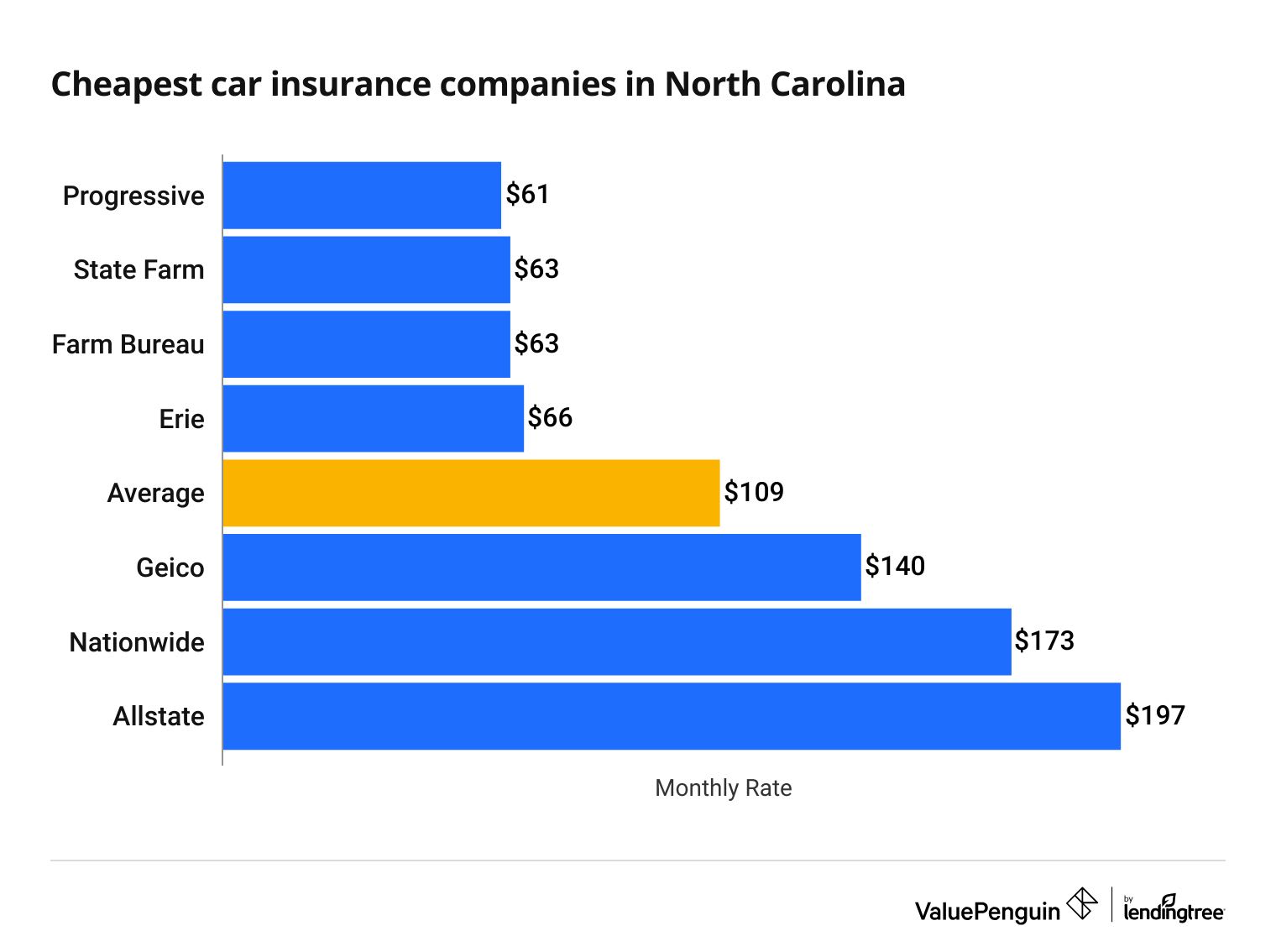
Did you know that two people in North Carolina can pay vastly different rates for the same insurance coverage? It’s true! Your insurance cost could be sky-high while your neighbor enjoys a bargain.
Here is the deal: finding the best insurance rates requires strategy. You just need to know where to look and what to do. Let’s dive into some actionable strategies that can help you secure the best rates possible.
Methods to Compare Insurance Rates Effectively
Step #1: Use comparison websites. They can save you a ton of time by aggregating rates from multiple providers in one place. BUT don’t stop there. Always check the insurer’s official site too. Sometimes, they offer exclusive rates online.
Step #2: Reach out directly to insurers. You can often get a more accurate quote by speaking to a representative. This is your chance to ask about any hidden discounts or special offers.
Tips for Negotiating Better Insurance Rates
Believe it or not, you can negotiate your insurance rates. When your policy is up for renewal, don’t just accept the new rate. Call your insurer and ask for a better deal.
- Highlight your good driving record or lack of claims to leverage for a discount.
- Bring in quotes from competitors. Insurers may match or beat the rate to keep your business.
Pro Tip: Always be polite but firm when negotiating. A little courtesy can go a long way in getting you a better deal.
Strategies for Bundling Insurance Policies
Bundling can be a secret weapon for lowering your rates. By combining policies, like auto and home insurance, with the same provider, you’re likely to receive a significant discount.
Step #1: Check which policies your current insurer offers for bundling. You might already be eligible for a discount.
Step #2: Get quotes on bundles from other insurers. Sometimes switching providers can offer even more savings.
Comparison Table for Insurance Options
Having a snapshot of different insurance options can guide your decision-making. Here’s a quick table to help you compare.
| Insurance Type | Average Rate | Best Provider | Discount Options |
|---|---|---|---|
| Auto Insurance | $1,200/year | State Farm | Safe driver, multi-policy |
| Home Insurance | $1,000/year | Allstate | Bundle, security system |
| Health Insurance | $400/month | Blue Cross NC | Gym membership, non-smoker |
Discounts and Savings Opportunities on Insurance in NC
Did you know that one simple step can slash your insurance premiums by up to 15%? If you’re in North Carolina, there are a ton of ways to save on your insurance, but most people have no idea they’re missing out!
The truth is, insurance companies in NC offer a variety of discounts that can significantly lower your costs. These aren’t obscure loopholes or rare promotions. They’re readily available, and you probably qualify for more than one right now.
Common Discounts Available for Insurance Policies in NC
First off, let’s talk about the multi-policy discount. This is when you bundle your home and auto insurance with the same provider, usually saving you around 10-20%. There are also good driver discounts. If you have a clean driving record for at least three years, you’re golden.
Students rejoice! If you’re a full-time student with good grades, many insurers offer a “good student” discount. It can knock off 5-10% right away. And don’t forget about the low-mileage discount. If you don’t drive much, you could save even more.
Eligibility Criteria for Obtaining These Discounts
Eligibility isn’t as complicated as you’d think. For the multi-policy discount, all you need is two or more policies with the same insurer. The good driver discount? Just maintain a blemish-free record for a few years.
The good student discount has simple criteria: maintain a “B” average or better. Insurers will want to see a recent transcript, so have it ready. For low-mileage, it’s about being under a certain threshold, usually around 7,500 miles annually.
“I never thought I’d see my insurance bill drop by 30%! But after bundling my home and auto insurance and applying for a good driver discount, it did just that!” – Sarah, Raleigh, NC
Regulatory Environment Affecting Insurance Rates in NC
Did you know that insurance rates in North Carolina are among the most regulated in the United States? That’s right. The North Carolina Department of Insurance (NCDOI) plays a crucial role in determining what you pay for insurance coverage.
Let’s dive into how this regulatory body affects your insurance rates and what recent changes might impact your wallet. It’s not just about rules and policies; it’s about your rights and protections as a consumer.
The Role of the North Carolina Department of Insurance in Rate Regulation
The NCDOI isn’t just another bureaucratic entity. Their job is to ensure fair pricing and protect you from unfair practices. They have the power to approve or deny rate changes proposed by insurance companies, making them a key player in how much you pay.
Here’s the deal: when an insurance company wants to change its rates, it must file a request with the NCDOI. This request includes justifications for the changes. The NCDOI reviews these requests and can demand changes to ensure rates remain fair and justified.
Recent Regulatory Changes Impacting Insurance Rates
But wait, there’s more. Recent changes in the regulatory environment have shifted how rates are managed. For example, recent legislation has allowed for more flexibility in the rate-filing process, potentially leading to quicker adjustments in rates.
Pro Tip: Stay informed about legislative updates. They can have a direct impact on what you pay. It’s essential to keep an eye on announcements from the NCDOI.
Consumer Rights and Protections Related to Insurance in NC
Here’s something you might not know: as an insurance consumer in North Carolina, you have specific rights that protect you. For instance, if you feel that your insurance company is mistreating you, you can file a complaint with the NCDOI.
Moreover, the NCDOI ensures that consumers are informed of their rights and the legal frameworks protecting them. This includes the right to receive clear information about your policy and any changes to your rates.
Understanding your rights can empower you to make better decisions and ensure you’re not overpaying for insurance.
Remember, knowledge is power. By understanding the regulatory landscape, you can take control of your insurance costs in North Carolina.
Future Trends in Insurance Rates in NC
Insurance rates are like the stock market: They can fluctuate wildly. So, what’s in store for North Carolina? Let’s dive into the future of insurance rates in NC.
With current data, we can make educated guesses about how insurance rates might change in North Carolina. Economic factors, technological advances, and regulatory shifts all play a role in shaping these rates. But don’t just take my word for it—let’s break it down step by step.
Potential Future Changes in Insurance Rates
Predicting future insurance rates might sound like fortune-telling, but it’s more like detective work. Right now, economic growth is slow, which usually means higher rates. Why? Because insurers expect more claims when the economy is rocky. Here’s the deal: If the economy picks up, rates might stabilize or even decrease, offering some relief.
Impact of Economic Factors
Economic indicators like unemployment rates and GDP growth heavily influence insurance rates. Higher unemployment can lead to more claims, nudging rates upward. But there’s a twist: Inflation can also eat into insurer profits, leading to higher premiums to cover their margins.
Pro Tip: Keep an eye on economic reports. A booming economy can mean lower rates!
Technological Advances Affecting Rates
Tech is a game-changer for insurance. Think about how telematics in cars could lead to usage-based insurance, where your premium depends on how you drive. This could lower rates for safe drivers. But if you’re a speed demon, watch out—your rates could skyrocket.
Table of Trends and Impacts
| Trend | Impact | Likelihood | Timeframe |
|---|---|---|---|
| Economic Growth | Potentially Lower Rates | Medium | 2-5 Years |
| Technological Advances | Usage-Based Premiums | High | 1-3 Years |
| Regulatory Changes | Rate Adjustments | Low | 3-5 Years |
Last Word
As we’ve journeyed through the ins and outs of securing the best insurance rates in North Carolina, it’s clear that knowledge is power. By understanding your options, leveraging discounts, and staying informed about regulatory changes, you can navigate the insurance landscape with confidence. Remember, the goal is to find coverage that fits your needs without breaking the bank. So take these insights, put them into action, and watch your savings grow!
Answers to Common Questions
What factors affect insurance rates in North Carolina?
Insurance rates in NC are influenced by factors such as your driving history, credit score, the type of vehicle or property, location, and the coverage options you choose.
How do insurance rates in NC compare to other states?
Generally, North Carolina enjoys relatively lower insurance rates compared to many states, thanks to effective regulation and a lower incidence of severe weather events.
What types of insurance are available in North Carolina?
In NC, you can find auto, home, health, life, and renters insurance, each offering different coverage options and benefits.
How can I find the best insurance rates in NC?
To find the best rates, compare quotes from multiple providers, consider bundling policies, and look for available discounts.
Are there any common discounts for insurance in NC?
Yes, common discounts include safe driver, multi-policy, and good student discounts, among others.
