Imagine waking up to find your small business facing a sudden disaster—a fire, a lawsuit, or even a break-in. Without the right insurance, these events could spell doom. That’s where knowing the ins and outs of small business insurance comes into play. In this guide, we’ll explore the three essential types of commercial insurance every small business owner should consider, ensuring you’re prepared for whatever comes your way.
When it comes to safeguarding your small business, insurance isn’t just an option; it’s a lifeline. Just like a seatbelt in a car, the right insurance policy can protect you from unforeseen bumps on the road. Join me as we dive deep into the world of small business insurance, exploring its importance, types, and how to choose the best coverage for your unique needs.
Overview of Small Business Insurance

Did you know that 40% of small businesses never reopen after a disaster? That’s why insurance is your best friend. It’s not just about protecting your assets; it’s about safeguarding your dream.
Here is the deal: Insurance might seem like just another expense. BUT it could be the difference between closing up shop or bouncing back stronger than ever. Let’s dive into the key types of insurance every small business should consider.
Key Types of Insurance for Small Businesses
Every small business is unique, but most need a similar set of insurance coverages. Here’s a quick list to guide you:
- General Liability Insurance: Protects against claims of property damage or bodily injury.
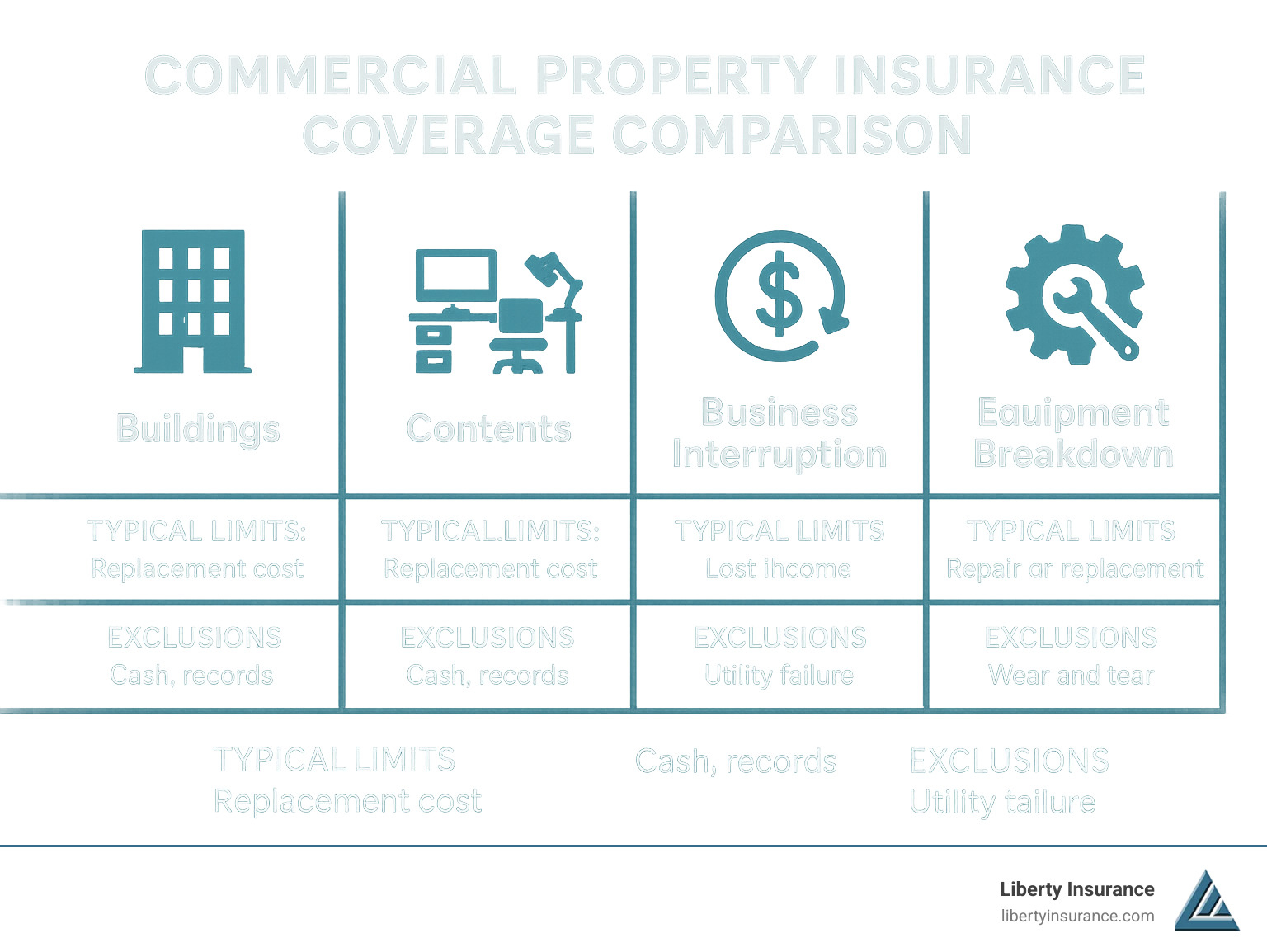
- Property Insurance: Covers damage to your business property, like buildings and equipment.
- Workers’ Compensation Insurance: Required in most states; it covers employees’ medical expenses and lost wages.
- Professional Liability Insurance: Also known as Errors & Omissions insurance, it covers claims of professional negligence.
- Commercial Auto Insurance: Protects vehicles owned by your business.
Benefits of Commercial Insurance for Small Businesses
Let’s break down the benefits of having commercial insurance into a simple table:
| Type | Coverage | Cost | Benefits |
|---|---|---|---|
| General Liability | Property damage, bodily injury | Medium | Legal defense, peace of mind |
| Property Insurance | Physical assets | Varies | Rebuild or repair |
| Workers’ Compensation | Employee injury | Mandatory | Employee security, legal compliance |
| Professional Liability | Professional errors | Medium to High | Reputation protection |
| Commercial Auto | Business vehicles | Medium | Asset protection, employee safety |
Pro Tip: Always review your policy annually to ensure it keeps pace with your business growth.
Types of Commercial Insurance for Small Businesses

Did you know that 40% of small businesses will experience a property or liability loss in any given year? That’s why understanding the types of commercial insurance is crucial for maintaining the health of your business. Let’s break down what you need to know.
When it comes to protecting your small business, you’re not just insuring against the obvious. From lawsuits to natural disasters, different types of insurance cover a variety of risks. Here is the deal: choosing the right coverage can mean the difference between sinking or swimming during a crisis.
General Liability Insurance
This is your first line of defense against claims. If someone gets injured on your premises or if you damage a client’s property, this insurance has got you covered.
- Slip and fall accidents at your store.
- Damage to a client’s property during a service call.
Pro Tip: Always check if your liability insurance covers legal defense costs. You don’t want to be caught off guard!
Property Insurance
Imagine a storm hits and your inventory is destroyed. Property insurance ensures you’re not left with the full financial burden.
- Fire damage to your office.
- Theft of equipment from your warehouse.
Comparing Liability and Property Insurance
Let’s get into the nitty-gritty of how these two crucial insurances stack up against each other. They might sound similar, but they protect different aspects of your business.
| Liability Insurance | Property Insurance |
|---|---|
| Covers legal claims from third parties. | Covers physical damage to your business property. |
| Includes bodily injury and property damage. | Includes fire, theft, and vandalism. |
| Doesn’t cover property damage to your own business. | Doesn’t cover third-party legal claims. |
Choosing the right mix of insurance helps shield your business from unpredictable disasters and claims. But remember, no two businesses are the same, so tailor your insurance to fit your specific needs.
How to Choose the Right Insurance for Your Small Business
Did you know that 40% of small businesses have never been insured? That’s a risky move. Choosing the right insurance can be overwhelming. But it doesn’t have to be.
Here’s the deal: selecting the right insurance is crucial to protecting your hard-earned investment. And it starts with understanding what your business truly needs.
Factors to Consider When Selecting Insurance for Your Small Business
First up, size matters. The size of your business directly impacts the type and amount of coverage you need. A home-based business will have different needs than a retail store. Then, consider your industry. Certain industries have specific risks—like food contamination for restaurants or liability for consultants. Don’t forget to factor in your location, as different states might have varying requirements.
Step #1: Evaluate your risks. What could go wrong? List out everything—fire, theft, liability, you name it. Step #2: Choose your coverage types. At a minimum, you’ll need general liability. But, you might also need workers’ comp or commercial property insurance.
Evaluating Insurance Providers
Not all insurance providers are created equal. Evaluate them by checking their financial stability. You don’t want a provider that can’t pay out when disaster strikes. Look at their customer service too. You want a company that’s responsive and helpful.
- Step #3: Compare quotes. Don’t go for the first one you see. Shop around and get at least three quotes.
- Step #4: Research the claims process. How easy is it to file a claim? Ask current customers about their experiences.
Calculating Your Small Business Insurance Needs
Calculating your insurance needs might seem daunting. But it’s simpler than you think. Here’s a straightforward way to do it:
Pro Tip: “List all your business assets and their values. Don’t forget liability potential and operational risks. Assign a dollar amount to each risk. Add them up, and that’s your baseline coverage amount.”
Once you have your baseline, add a buffer. Insurance isn’t about cutting it close. You need that extra cushion for unexpected situations. With these steps, you’ll have a solid foundation for choosing the right insurance for your unique business needs.
Cost Considerations for Small Business Insurance
Are you overpaying for your small business insurance? The truth is, many small business owners don’t realize the factors driving up their insurance costs.
From your industry to the location of your business, several elements can impact how much you pay for insurance. But here’s the deal: understanding these factors can help you strategize and save big without sacrificing necessary coverage.
Factors Affecting Cost of Commercial Insurance
First, let’s talk about industry risk. If you’re in a high-risk industry like construction, your premiums will naturally be higher. But even lower-risk businesses can face surprises due to their location or business size. For example, urban offices often pay more than rural ones due to increased crime rates. And as your business grows, so can your premiums. But the good news? By knowing these factors, you can take proactive steps.
Here’s a handy table to break down the cost considerations:
| Insurance Type | Risk Factors | Cost Range | Payment Options |
|---|---|---|---|
| General Liability | Location, Business Size | $300-$1,000/year | Monthly, Annually |
| Property Insurance | Property Value, Natural Disasters | $500-$2,500/year | Monthly, Annually |
| Workers’ Compensation | Employee Count, Job Risk | $0.75-$2.74 per $100 of payroll | Per Payroll, Annually |
Strategies for Optimizing Insurance Costs
You can shave off significant costs by bundling different insurance types together. This not only simplifies your management but often comes with discounts. But don’t just stop there. Regularly review your policy to ensure you’re not paying for unnecessary coverage.
Pro Tip: Increase your deductibles to lower premiums. Just make sure you have the cash flow to cover upfront costs if needed.
Finally, consider implementing a risk management program. By reducing risks, you make yourself a more attractive prospect for insurers, which can slash your premiums significantly.
Legal Requirements for Small Business Insurance
Did you know that not having the right insurance could cost your business everything? Complying with legal insurance requirements is crucial for small business owners.
Every state has unique laws regarding business insurance—understanding these is vital to staying compliant. Failure to meet these legal obligations can result in hefty fines, legal charges, and even the closure of your business.
Consequences of Non-Compliance
If you’re running a business without the legally required insurance, you’re playing with fire. Penalties don’t just hurt your wallet; they can cripple your operations. Imagine having to close your doors because you couldn’t pay a fine. That’s not a story you want to tell!
Here is the deal: getting the right insurance isn’t just about compliance—it’s about safeguarding your business’s future. Let’s dig deeper into state-specific requirements that could be game-changers for you.
State-Specific Insurance Requirements
Insurance laws vary widely, but here are some that stand out:
- California: Workers’ compensation is mandatory if you have just one employee.
- Texas: Workers’ compensation is optional, but businesses can be held liable for workplace injuries if uninsured.
- New York: Disability benefits insurance is required for businesses with employees.
- Florida: Businesses in the construction industry must have workers’ compensation insurance if they employ even one worker.
Pro Tip: Always check your state’s Department of Insurance website for the most up-to-date requirements.
Case Studies of Small Businesses Utilizing Insurance
Did you know that 40% of small businesses never reopen after a disaster? This makes having the right insurance not just a luxury, but a necessity for survival. Here’s how smart insurance choices have made a real difference for some savvy business owners.
In these case studies, we’ll dive into the specific insurance policies that safeguarded small businesses, explore successful claims, and highlight the dire consequences of not having adequate coverage.
Restaurant Shielded by Business Interruption Insurance
Imagine a bustling family-owned restaurant that suddenly faces a city-wide lockdown. Without customers, revenue tanks. Thanks to their Business Interruption Insurance, this restaurant was able to cover its operating expenses during the closure. This safety net not only helped them stay afloat but also retained their top chefs who could have otherwise jumped ship.
Here’s the deal: The policy paid for lost income and helped the restaurant maintain its brand presence even when their doors were temporarily shut. This highlights the transformative impact of being insured against unexpected interruptions.
Tech Startup Saved by Cyber Liability Insurance
Step into the shoes of a tech startup that suddenly finds itself at the mercy of a cyberattack. Their data was compromised, and clients were furious. Here’s where Cyber Liability Insurance stepped in. This policy covered the costs of notifying customers, restoring their systems, and even legal fees.
With the right coverage, they not only salvaged their reputation but also secured the trust of their clients moving forward. Pro Tip: If your business handles sensitive data,
Cyber Liability Insurance is a must-have.
Retail Store Recovered Thanks to Property Insurance
A local retail store faced devastation when a fire broke out overnight. Everything was destroyed. But here’s the silver lining: their Property Insurance policy covered the rebuilding costs and inventory replacement. They were back in business in no time.
Without this vital insurance, they could have faced financial ruin. The risk of inadequate coverage cannot be overstated. Ensure your business is insulated from such catastrophes with comprehensive property insurance.
Final Thoughts
In conclusion, navigating the world of small business insurance might seem daunting, but with the right knowledge, it’s a journey worth taking. Protecting your business with the appropriate insurance not only secures your assets but also provides peace of mind, allowing you to focus on what you do best—growing your business. So, don’t wait for a wake-up call; get insured and stay ahead of the unexpected.
Answers to Common Questions
What are the three essential types of commercial insurance for small businesses?
The three essential types are liability insurance, property insurance, and workers’ compensation insurance.
Why is liability insurance important for small businesses?
Liability insurance protects your business from claims of injury or property damage caused by your products, services, or employees.
How can a small business determine its insurance needs?
Evaluate your specific risks, industry requirements, and budget when selecting the right insurance coverage.
Are there cost-effective strategies for obtaining small business insurance?
Yes, consider bundling policies, increasing deductibles, and maintaining a good safety record to lower premiums.
What happens if a small business fails to comply with insurance laws?
Non-compliance can lead to fines, legal penalties, and in some cases, suspension of business operations.
Can state-specific requirements affect my insurance policy?
Yes, different states have unique mandates, so it’s crucial to understand local laws that may impact your coverage.
